
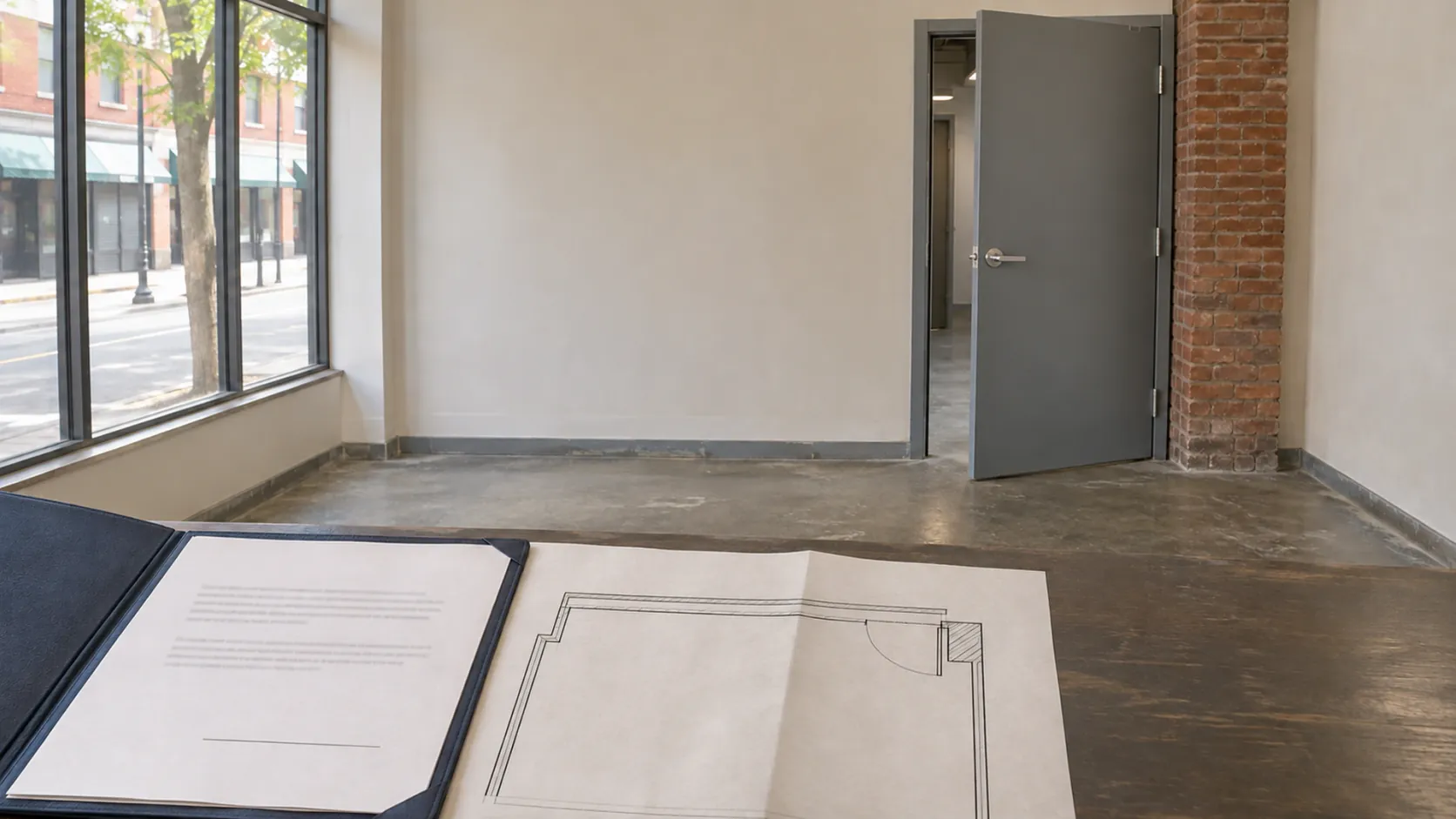
For many business owners, a commercial lease is one of the largest commitments the company will make. A commercial real estate lawyer in Paterson, NJ can review the agreement before you sign. The review flags terms that affect cost and flexibility.
This guide covers the lease terms that deserve attention and the questions worth raising early. Local rules that shape the choice of space get a closer look as well.
Why Commercial Leases Deserve a Careful Review
A lease is a contract, as Cornell Law School's legal reference explains. It grants the right to possess and use property for a set period in exchange for rent. Commercial leases often add responsibilities for repairs, insurance, and taxes on top of rent.
Small wording changes can shift real costs. A clause about maintenance, for example, may decide who pays for a failing system years after signing. Commercial terms can also run for several years, so the agreement shapes the business long after opening day.
That is why a careful review happens before signing, not after a problem appears. The goal is to understand what the lease requires in plain terms. Security deposits, late fees, and holdover rules are other common sources of friction. Ask what each side must do and when, plus what happens if something changes.
Key Terms a Commercial Real Estate Lawyer in Paterson, NJ Checks
The review usually starts with rent: the base amount, scheduled increases, and any percentage rent tied to sales. It then moves to the lease term, renewal options, and the conditions for ending the agreement early. A longer term is not automatically better or worse; it depends on your plans.
Other terms matter just as much. They include maintenance duties, insurance requirements, personal guarantees, and the rules for subletting or assigning the space. Those provisions decide how flexible the business can be if plans change.
Operating expenses are a frequent source of questions. Taxes, insurance, and shared maintenance can be passed to the tenant. The details decide the real cost of the space. The lease can also set how those charges are reviewed and disputed.
How Location and Local Rules Affect a Commercial Lease
Where a business operates shapes its taxes, licensing, and zoning obligations, according to the U.S. Small Business Administration. That is why it helps to confirm a space is approved for the intended use before committing.
Zoning rules can restrict or even prohibit certain business types in a given area. The rules can differ from one use to the next, so the exact activity matters. Verifying permitted use, parking, and signage early avoids surprises later.
Ask the landlord or the city for the records that show approved uses. Keep those documents with the lease file. A short call to the local office can confirm the steps that apply.
Questions to Ask a Commercial Real Estate Lawyer in Paterson, NJ
Questions usually start with what happens if the business slows down or needs to relocate. Can the lease be transferred, and who controls repairs? It is also fair to ask how the security deposit is handled and what triggers a default.
It also helps to ask which terms are negotiable now. Options are usually easier to secure before signing than after a dispute begins. Keeping a short written list prevents the important points from getting lost in the meeting.
Bring a copy of the lease and any correspondence. Specific wording drives specific answers, and the details are where the value of a review shows. That is why the review starts with the actual document, not with a summary.
Discuss a Commercial Lease With Salomon & Aquino, LLC
Salomon & Aquino, LLC represents owners, buyers, and sellers in real estate matters, including commercial transactions. Discuss the lease with a commercial real estate lawyer in Paterson, NJ. Contact our office to request a consultation.
The firm works with individuals and businesses from its Paterson office, and commercial property matters are part of the practice. Most reviews begin with a conversation. This article provides general information and is not legal advice. Contacting the firm does not create an attorney-client relationship.